How Nature Inspires My Botanical Illustrations
- Emily Black

- Jul 2
- 3 min read
Updated: 6 days ago
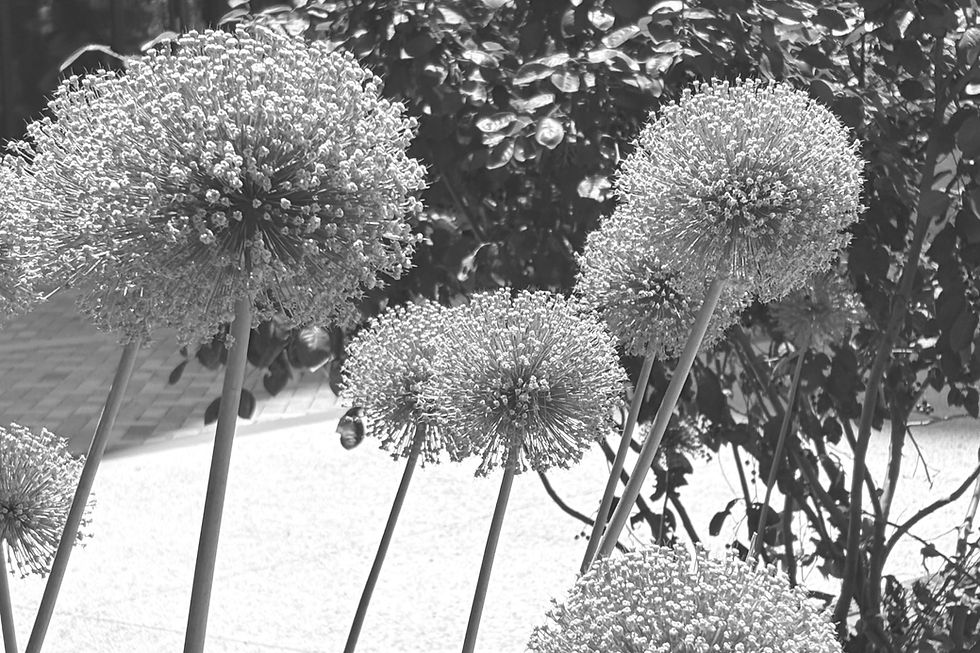
Every botanical illustration begins long before pen meets paper.
Before a drawing takes shape, there are countless moments spent observing the natural world. From walking through botanical gardens when visiting different states, to pausing during daily walks here in Boston to photograph the seasonal blooms and foliage, noticing the intricate structure and patterns. These quiet moments of observation are where every illustration truly begins.
In a world that often encourages us to move quickly, botanical illustration invites us to slow down. It asks us to look beyond color and notice the delicate architecture of nature: the rhythm of repeating leaves, the graceful curve of a stem or the intricate veins running through a single petal.
It is these details that continue to inspire every piece I create.
Discovering The Architecture Of Nature
One of the things I find most fascinating about plants is their structure.
Every flower, leaf and branch has been shaped by nature with remarkable balance and purpose. The more closely you look, the more extraordinary these forms become.
Rather than seeing a rose simply as a flower, I find myself noticing the way each petal folds around the next. A fern becomes a study in repeating patterns and gentle rhythm. Even the twisting branches of a fruit tree reveal an elegance and whimsy that are sometimes missed.
These natural forms influence not only the drawings themselves but also the calm, balanced feeling I hope each finished artwork brings into a home.

Taking Time To Observe
Many of my favorite ideas arrive during slow walks or quiet moments outdoors.
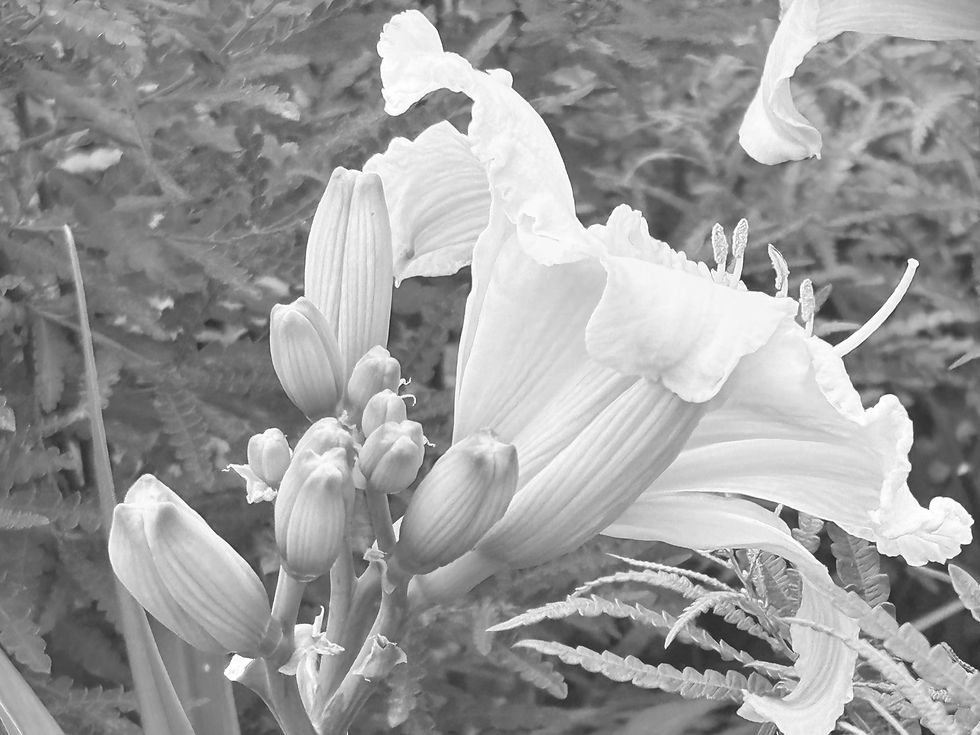
Sometimes I photograph an interesting branch because of the way it creates an interesting winding sculptural shape. Other times it's the full, lush head of a flower or the graceful movement of a single stem bloom in the wind that captures my attention.
I don't always know immediately how these observations will become illustrations. Instead, I collect them over time, gradually building a visual library of shapes, textures and patterns that continue to inspire new work.
Photography has become an important part of this process. It allows me to return to these fleeting moments and study the details more carefully once I'm back in the studio.

From Photograph To Illustration
Although my photographs provide inspiration, they are never copied exactly.
Instead, they act as a starting point.
Each botanical illustration is drawn by hand using fine-liner pens, allowing me to slowly build layers of delicate line work. During the drawing process, I often simplify or emphasise certain forms, creating a composition that celebrates the character and rhythm of the plant while remaining true to its natural structure.
Working in monochrome removes the distraction of color and allows the eye to focus entirely on texture, shape and detail.
This quiet simplicity has become a defining part of my work.



Left: The original photograph of Tulips in Boston's public garden at the beginning of spring. Right: the finished Tulip illustration
Finding Beauty In Ordinary Plants
Inspiration doesn't always come from rare or exotic flowers.
Some of my favorite subjects are the plants we pass every day: a simple leaf, an apple tree branch, a wildflower growing along a path or the elegant shape of a fern unfurling in spring.
These familiar plants often reveal extraordinary details when observed closely.
I hope my artwork encourages others to slow down and appreciate the quiet beauty that surrounds us every day.
Creating Artwork For Calm, Collected Interiors
My background in Interior Design has shaped the way I think about botanical art.
When creating each illustration, I imagine not only the drawing itself but also how it will feel within a thoughtfully designed home.
The soft monochrome palette allows the artwork to sit comfortably alongside natural materials such as oak, linen, stone and ceramics, creating interiors that feel timeless rather than trend-driven.


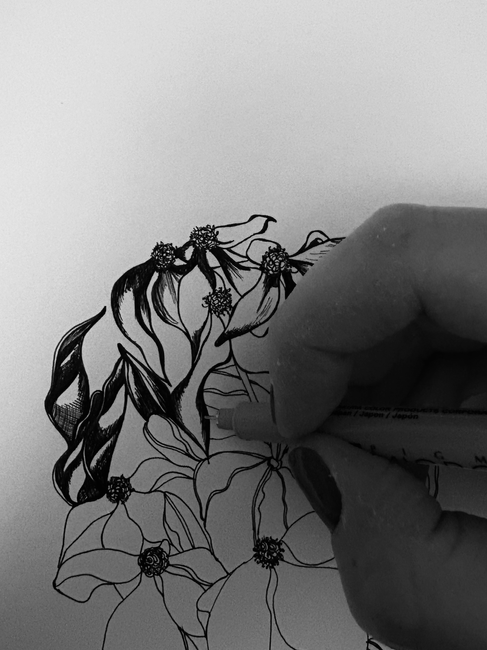
Left: Kousa Dogwood photographed at the Arnold Arboretum, Right: In progress photo of the illustration in progress
A Slower Way Of Seeing
Botanical illustration has taught me that inspiration often comes from paying closer attention rather than searching for something extraordinary.
Nature is full of remarkable forms, quiet rhythms and intricate patterns that reveal themselves when we simply take the time to look.
Every hand-drawn illustration begins with that simple act of observation.
It is my hope that each finished artwork not only celebrates the beauty of the natural world but also encourages others to pause, appreciate the details and bring a little of that quiet beauty into their own homes.

Comments